

Follow the investigation and updates on X
On the table sits a stack of documents bearing blue stamps: a bilingual contract in English and Russian, a proforma invoice topped with Chinese characters, an official letter on letterhead stamped with a corporate seal. On their own, none of these papers is remarkable — this is the kind of routine export paperwork that crosses Belarusian customs desks every day. But lined up in order, with the dates cross-checked, they tell a specific, well-documented story: how a specialised chemical made its way from China’s Zhejiang province to a Belarusian microelectronics plant.
Three Signatures, One Deal
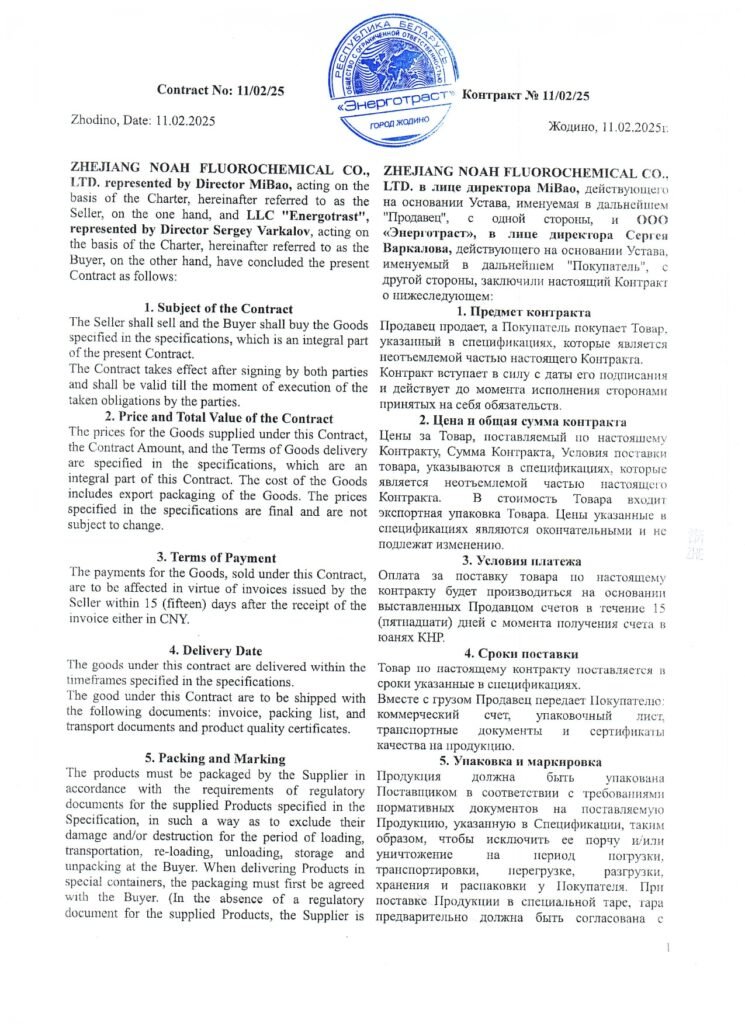
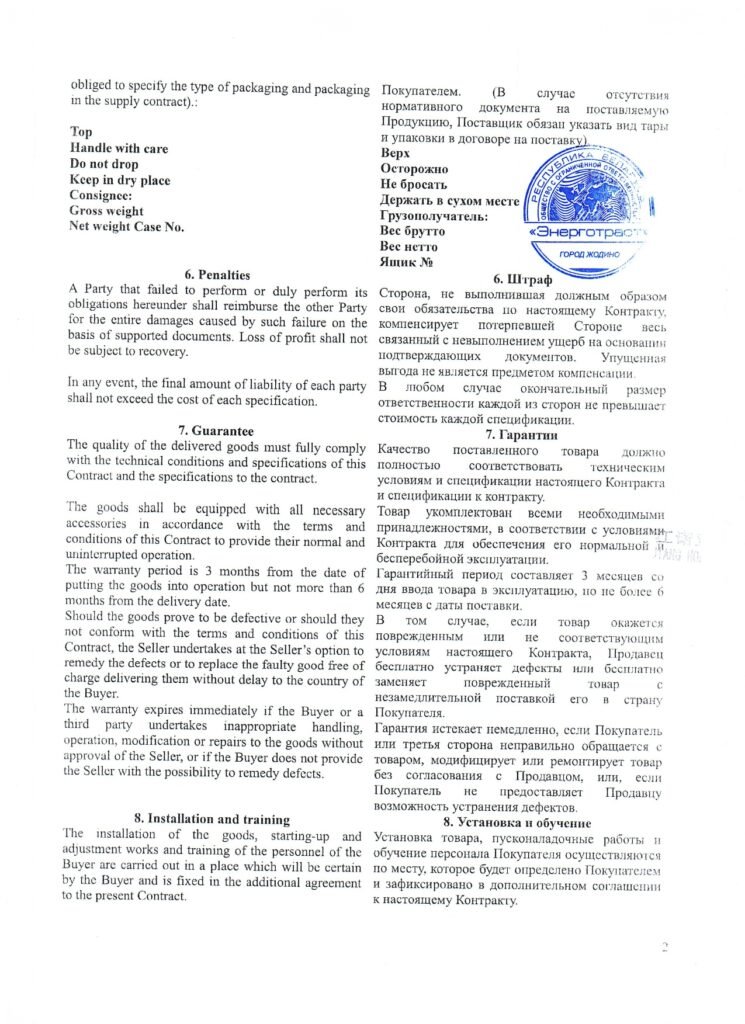
Start with Contract No. 11/02/25, signed in Zhodino on 11 February 2025. The seller is Zhejiang Noah Fluorochemical Co., Ltd., based in the city of Shaoxing, represented by its director, MiBao. The buyer is a Belarusian company, Energotrast LLC, registered in the same town of Zhodino, represented by its director, Sergey Varkalov. Varkalov’s signature sits next to the company’s round seal — an entirely ordinary feature of Belarusian corporate paperwork, not evidence of anything untoward in itself.
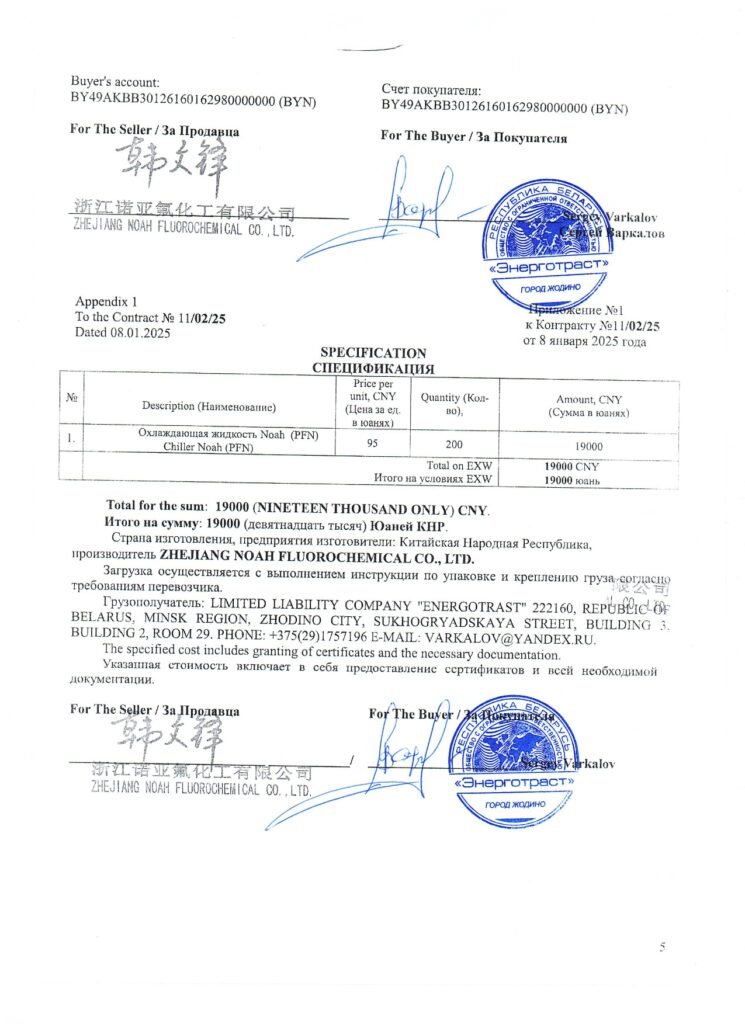
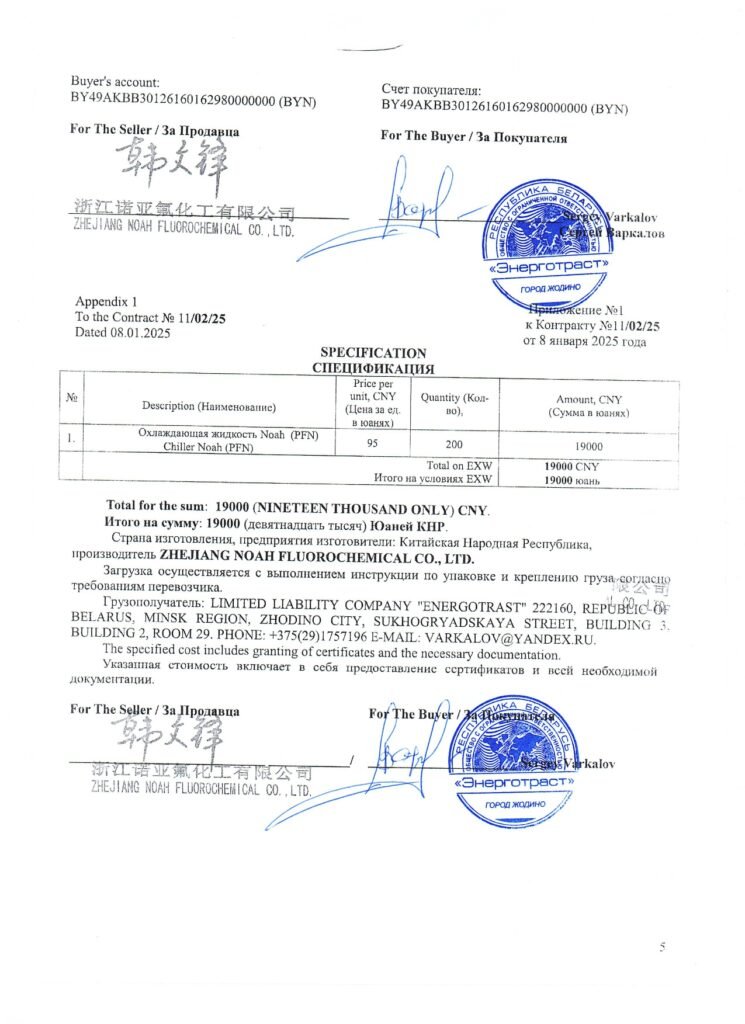
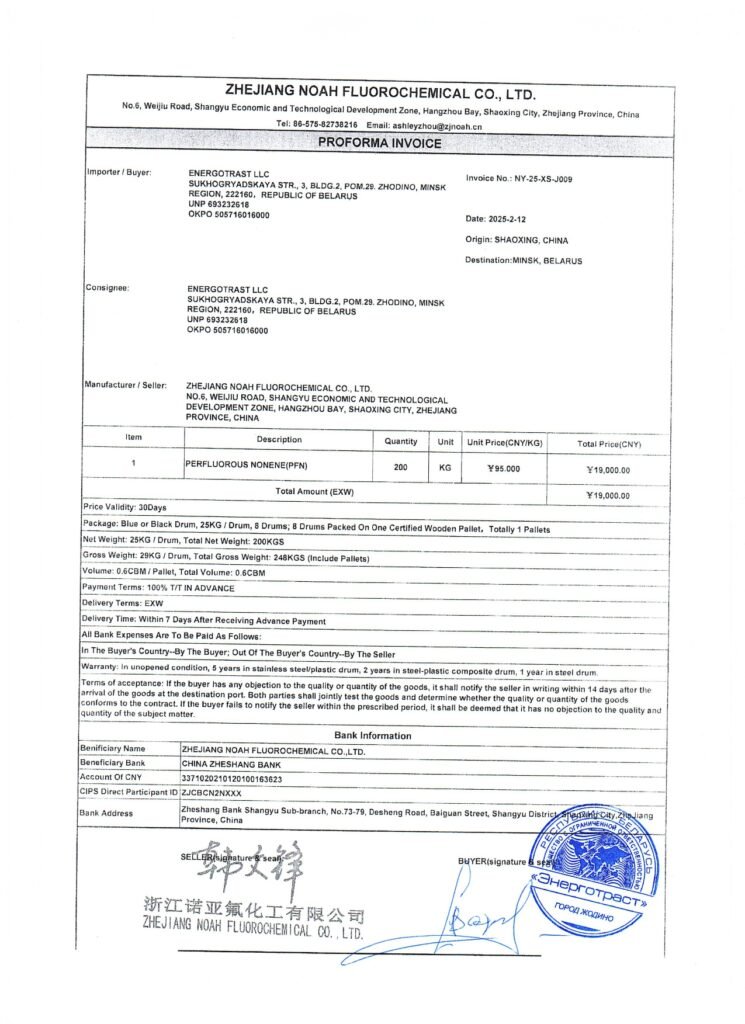
The contract itself is short and unremarkable: full prepayment, delivery on EXW terms, running until 30 December 2025. Appendix 1, the specification, names the goods plainly — “Cooling liquid Noah (PFN),” 200 kilograms at 95 yuan per kilogram, totalling 19,000 yuan (roughly $2,700). The proforma invoice issued by the Chinese side on 12 February repeats the same figures, but describes the product in English under a different name: Perfluorous Nonene (PFN).
One detail in this stack doesn’t quite line up chronologically: the specification is dated 8 January 2025 — a full month before the contract it’s supposedly attached to was signed. It could be nothing more than routine paperwork drift. But it’s the kind of loose thread that raises a fair question: how many times had these two companies already done business before this particular shipment?
The Letter That Spells It Out
The cargo arrives in Zhodino, addressed to Energotrast — and almost immediately moves on. That much is clear from a separate document: an official notification letter, No. 62/196, dated 10 March 2025, which Integral — the management company of Belarus’s largest microelectronics holding — sent to the country’s customs authorities.
The letter is signed by A. V. Baranov, acting deputy general director for procurement and logistics, with a staff member named Tatur listed as the contact. Its content is plain and specific: under a domestic contract dated 13 February 2025, No. 97, between Energotrast and Integral, the plant is receiving a cooling liquid — only this time it isn’t called PFN. It’s called Noah CS115.
That mismatch is worth pausing on. The international contract and invoice describe the product as “Noah (PFN)” — perfluorous nonene. The letter to customs describes it as “Noah CS115.” It’s entirely possible these are simply two commercial designations for the same product line from the same manufacturer. It’s also possible they’re not. The documents themselves don’t settle the question, but the discrepancy is worth putting on record.
What follows in the letter is far more candid than a routine customs notice tends to be. Integral explains, in its own words, exactly what the chemical is for:
“This liquid is used as a heat-transfer fluid in plasma-chemical etching (PCE) units to maintain the required temperature conditions during the operation of the equipment.”
The letter goes on to list the fluid’s technical properties — high thermal and chemical stability, non-toxicity, a high boiling point, a long service life — before ending with the line that explains why Integral bothered writing to customs at all: the delivery was needed to commission new equipment. Three units of machinery, the letter says, were already installed and sitting idle, waiting on precisely this coolant before commissioning could proceed.
In other words: without these 200 kilograms of fluid, part of Integral’s production line could not be switched on.
A Three-Link Chain
Put the documents together and the route becomes clear:
Zhejiang Noah Fluorochemical Co., Ltd. (Shaoxing, China) → Energotrast LLC (Zhodino, Belarus) → Integral (Minsk)


The gap between links is narrow. The contract with China was signed on 11 February. The resale agreement with Integral followed just two days later, on 13 February. Energotrast, in other words, isn’t the end user here — it’s a pass-through: a Belarusian entity that imports the goods from China and hands them almost immediately to the specialised plant that actually needs them.
Why This Matters — Context the Paperwork Doesn’t Supply
Neither the contract, nor the invoice, nor the letter to customs says anything about the bigger picture. But that context matters if you want to understand why a coolant order would run through an intermediary at all, rather than being shipped directly.
Integral is Belarus’s largest — and effectively only — serial producer of microchips. Since February 2022, the company has been under sanctions imposed by the United States, the United Kingdom, Canada and several other governments over Belarus’s role in the war against Ukraine. According to independent investigative reporting, including joint work by the Belarusian Investigative Center and OCCRP, the plant has continued to obtain critical imported materials and equipment despite those sanctions, routing them through intermediaries in Kazakhstan, Poland, Turkey and China — and some of its output has since turned up in Russian missiles and other weapons used against Ukraine.
Seen against that backdrop, what looks at first glance like an unremarkable coolant purchase starts to read differently: not a one-off, but a working arrangement. Direct shipments from sanctioning countries are closed off, so Chinese manufacturers and Belarusian intermediary firms step in — everything documented, invoiced and stamped according to the ordinary rules of international trade.
What’s Confirmed, and What Isn’t
The documents in the editorial team’s possession confirm:
- An international shipment of specialised chemical product from China, routed through a Belarusian intermediary, to Integral.
- A direct acknowledgment from Integral itself, in writing to customs, that the fluid was destined for plasma-chemical etching equipment — a core process in chip manufacturing.
- That the shipment was tied to the commissioning of new production equipment.
- Specific names, dates, contract numbers and banking details for both sides of the deal.
What the documents do not establish: whether similar shipments are continuing today; how many times Energotrast and Zhejiang Noah Fluorochemical have done business together before or since; what explains the discrepancy between the product names PFN and CS115; or what total volume of this kind of chemical has moved through the chain over time.
The paperwork itself does not point to any violation of law — it is a properly documented commercial transaction, complete with the standard set of supporting papers. But set against Integral’s sanctioned status and its already well-documented history of sourcing materials through third countries, this modest, $2,700 coolant order becomes a useful illustration of something larger: how Belarus’s microelectronics industry keeps running, one shipment at a time.
What Remains Unknown
Is Energotrast still supplying chemicals to Integral today?
How many similar contracts have the two companies signed over the years?
What accounts for the mismatched product names in the international and domestic paperwork?
Does Energotrast supply other companies within the Integral holding, or other Belarusian plants, in the same way?
The documents don’t answer any of that. What they offer instead are dates, signatures, and stamps — and the questions that begin exactly where the official correspondence leaves off.
Source Documents:
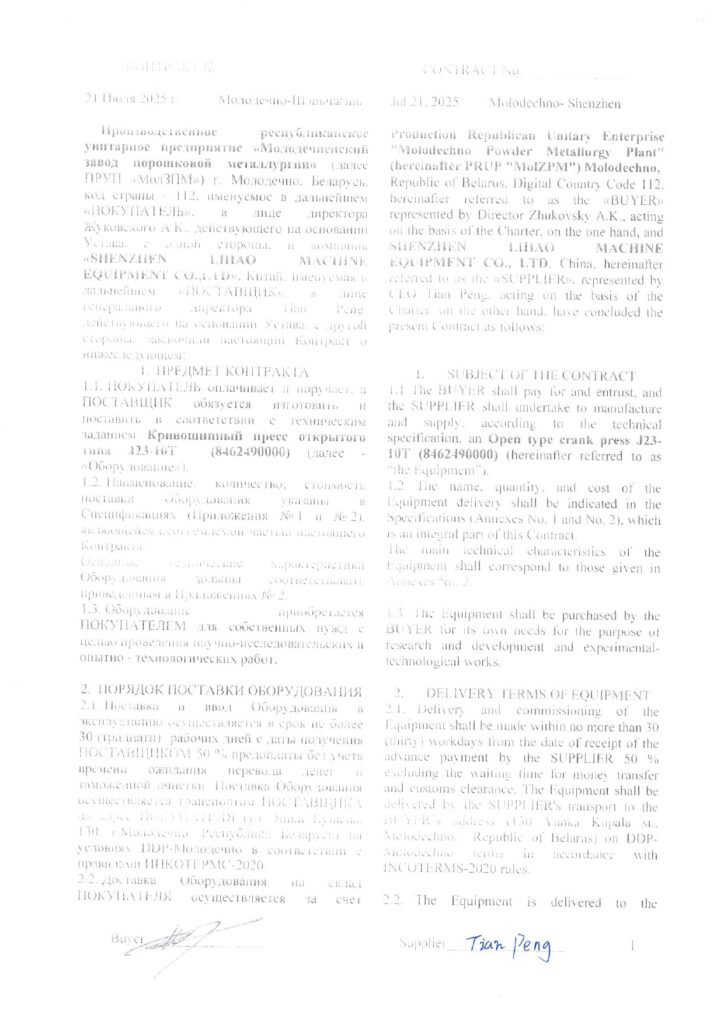
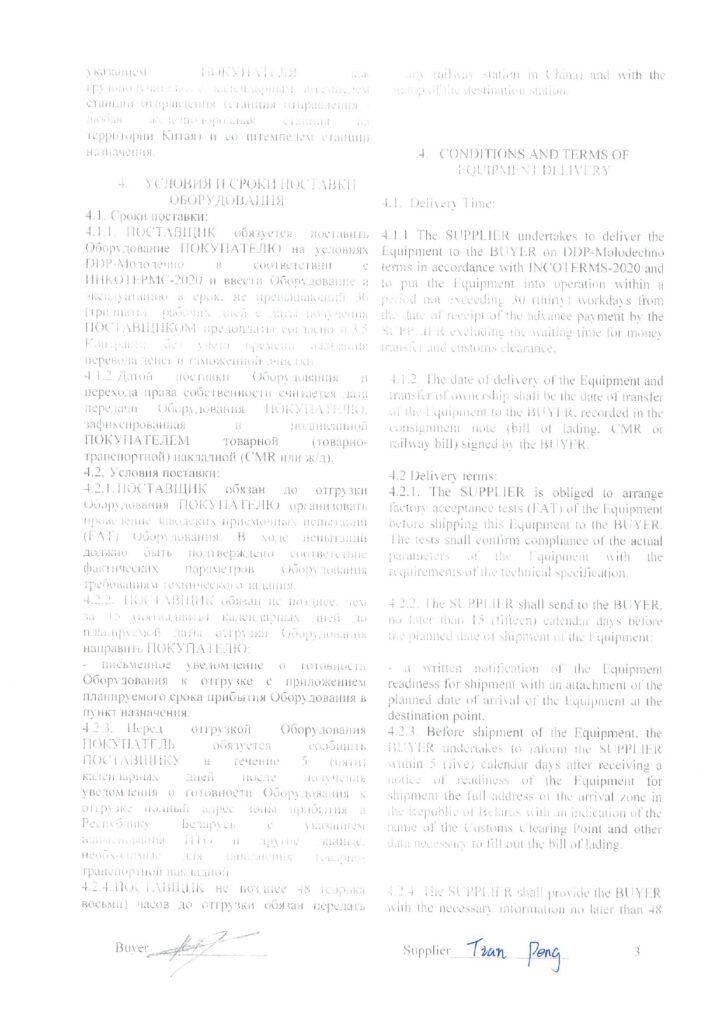
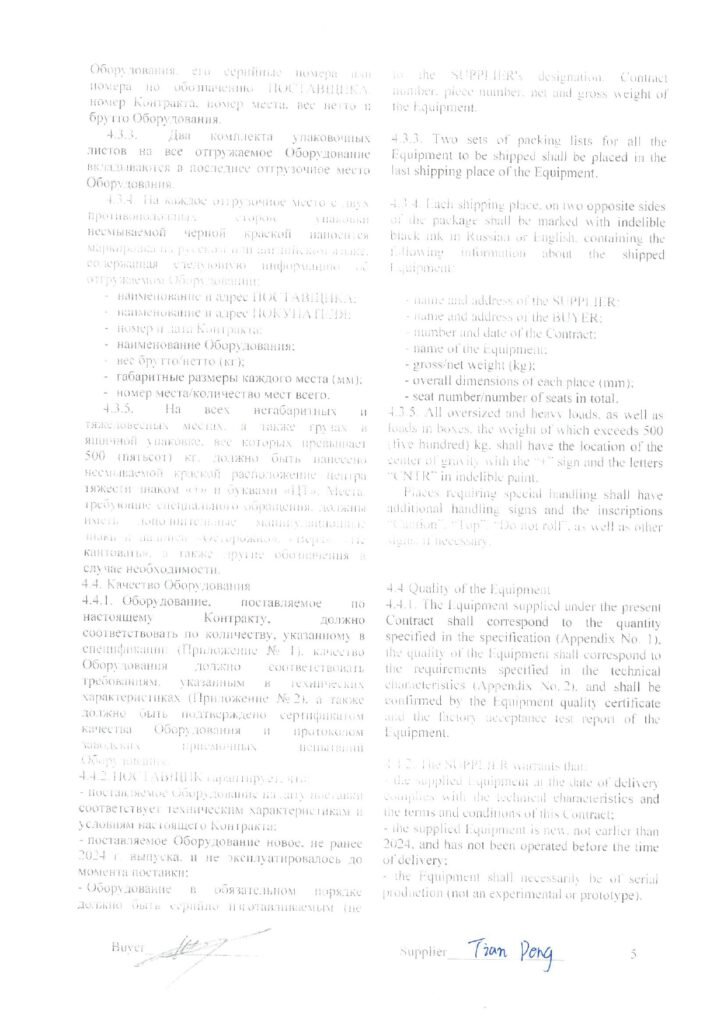
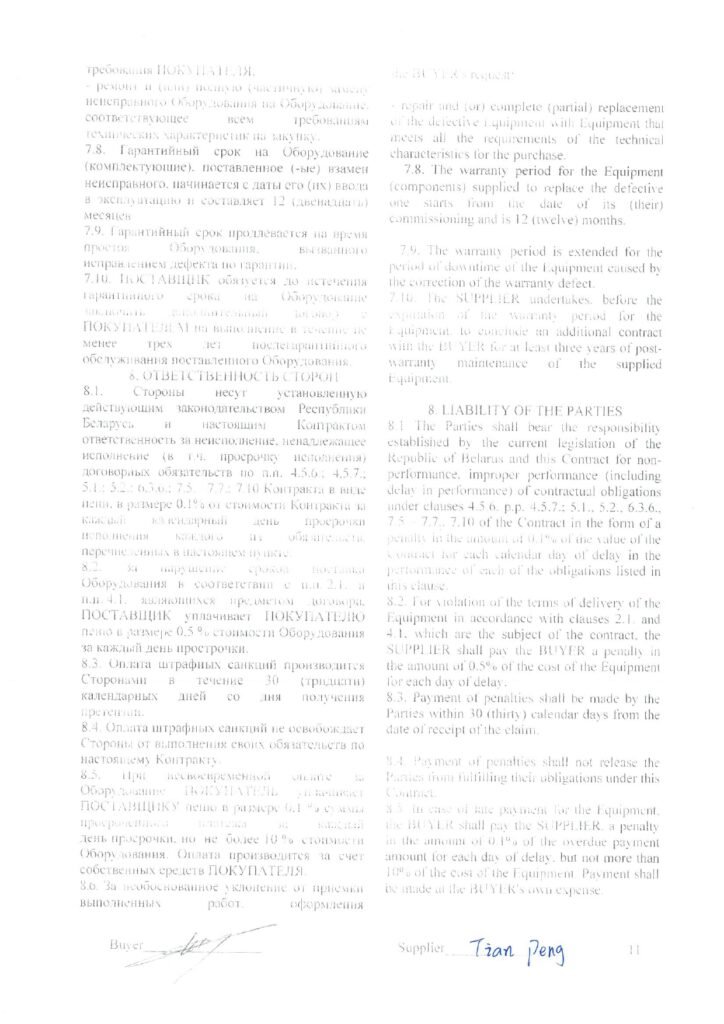
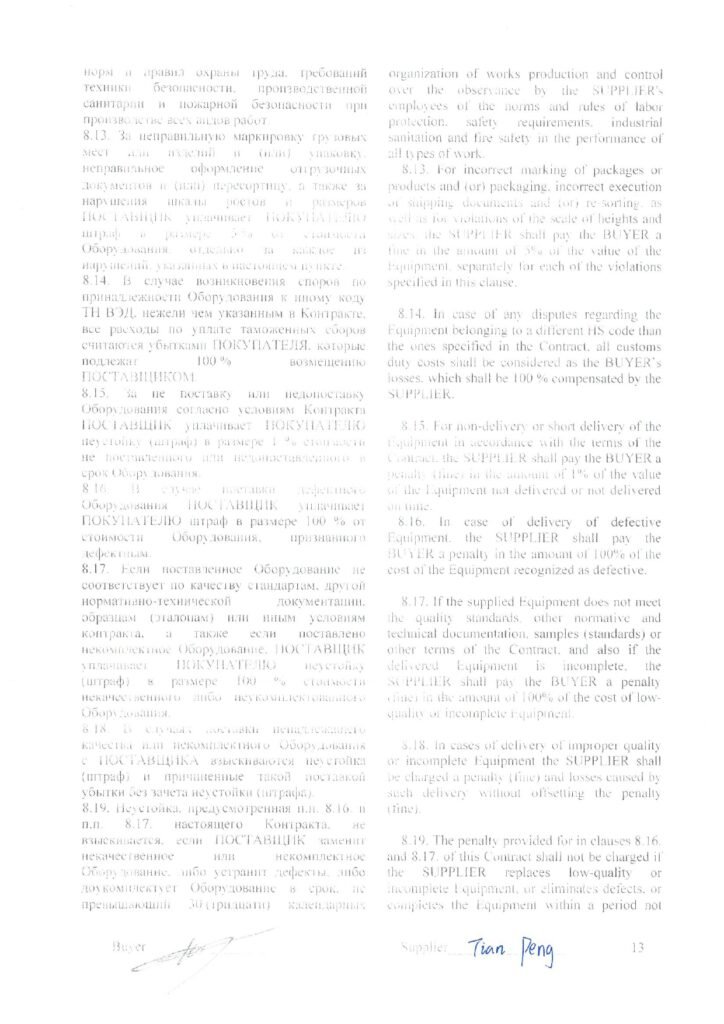
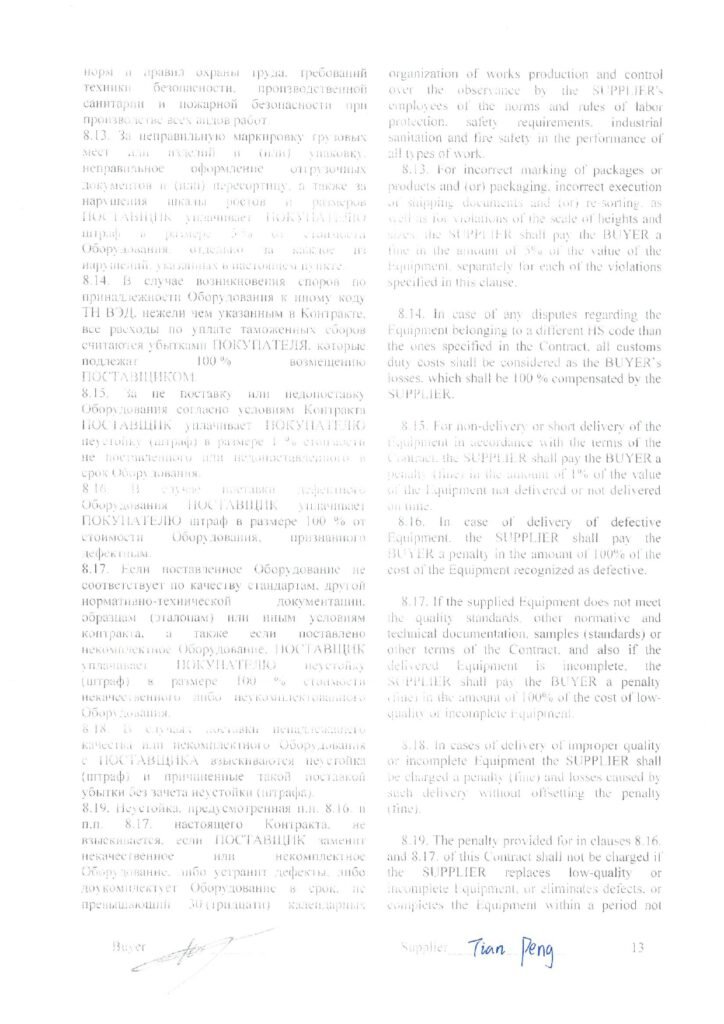
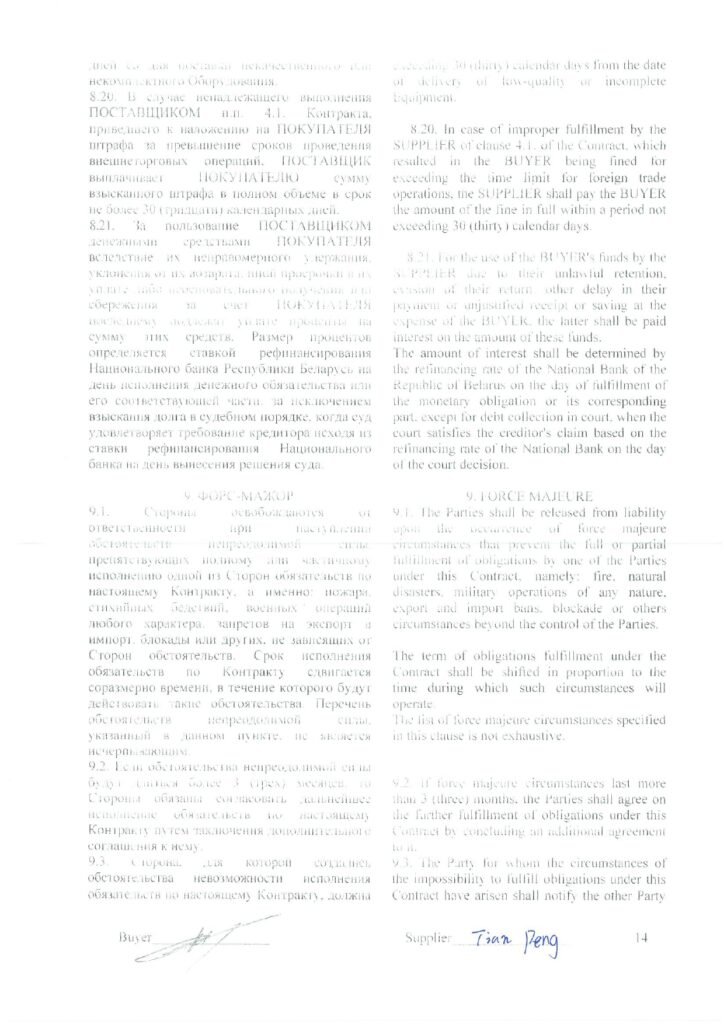
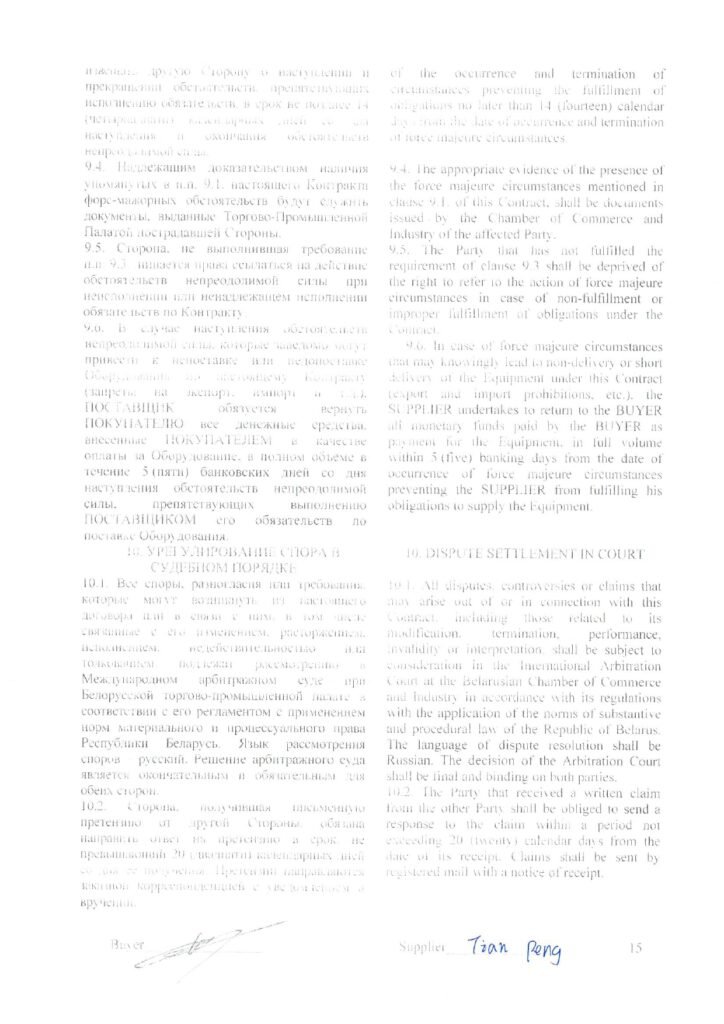
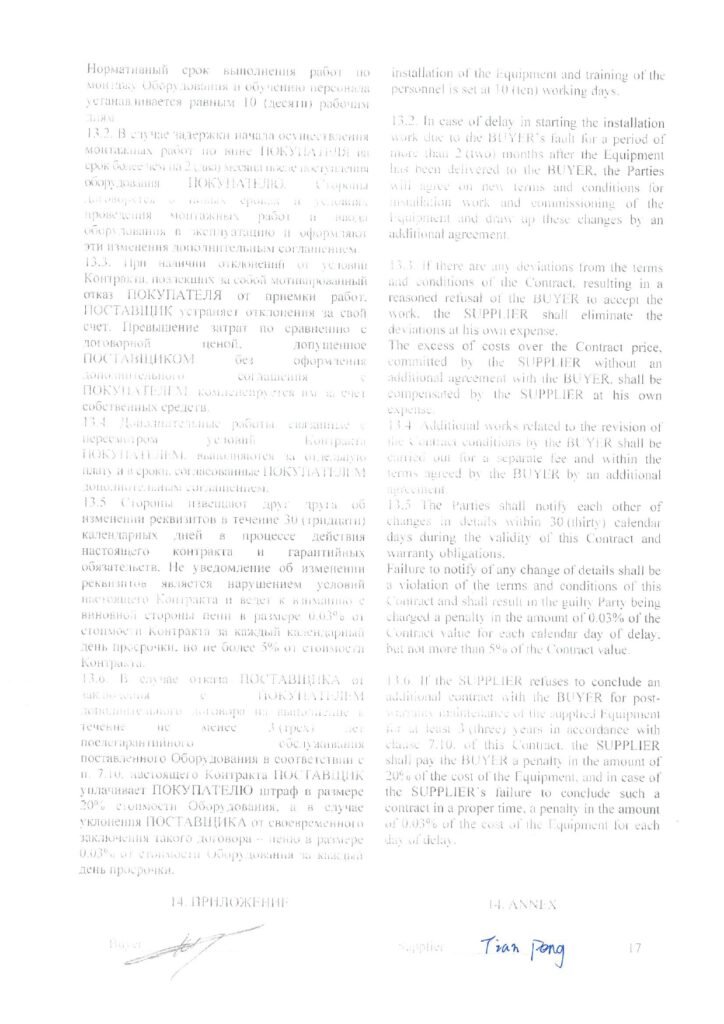
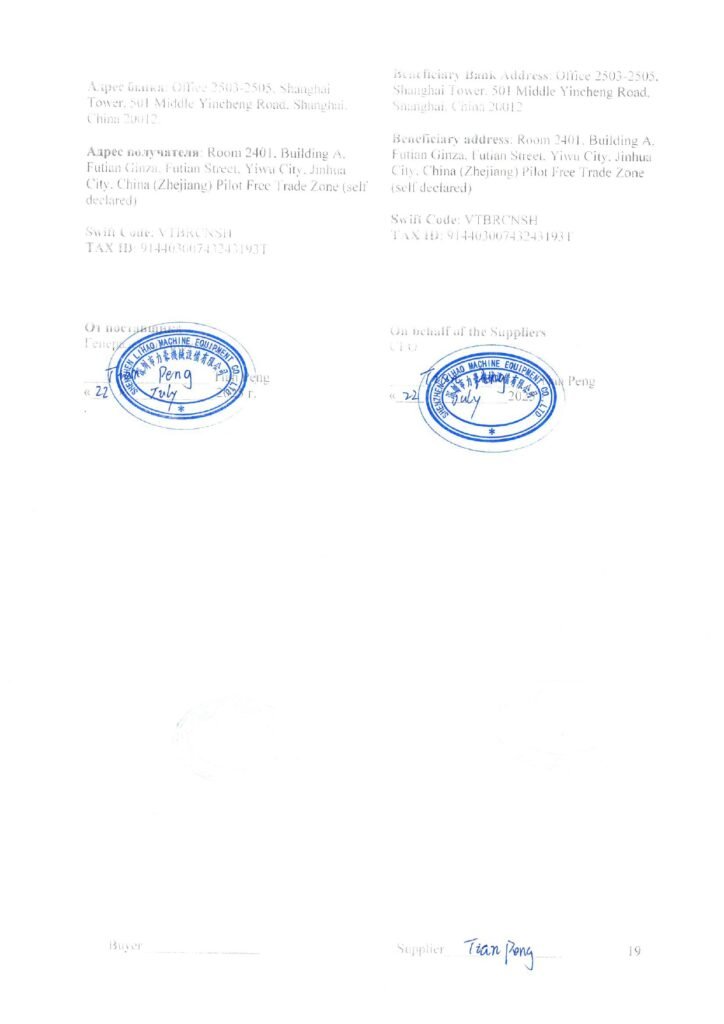
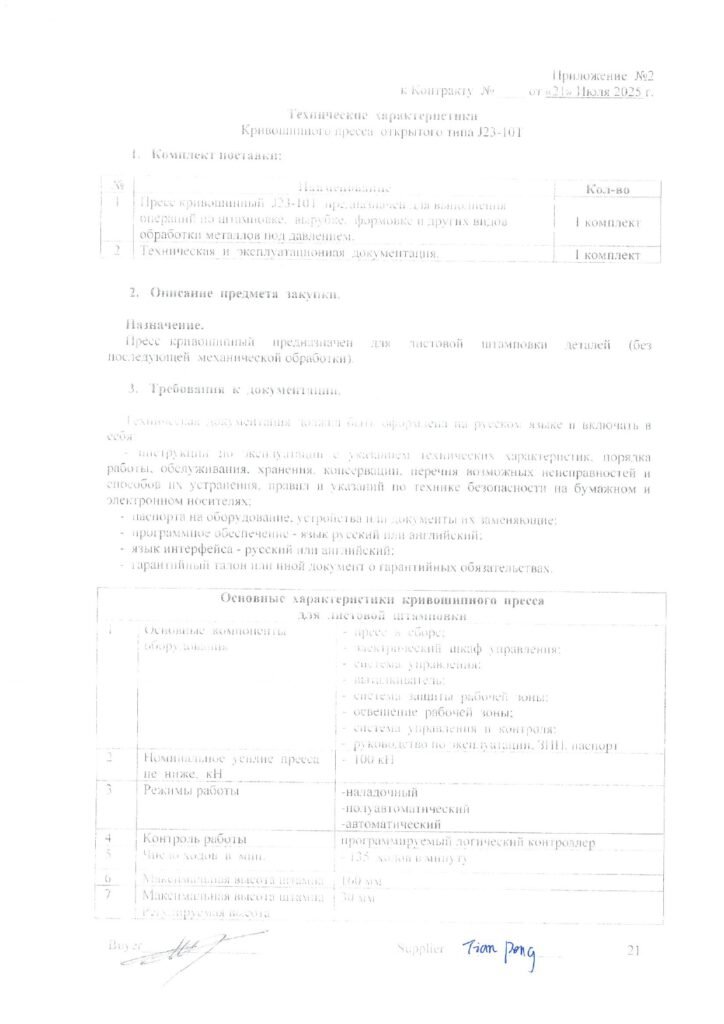
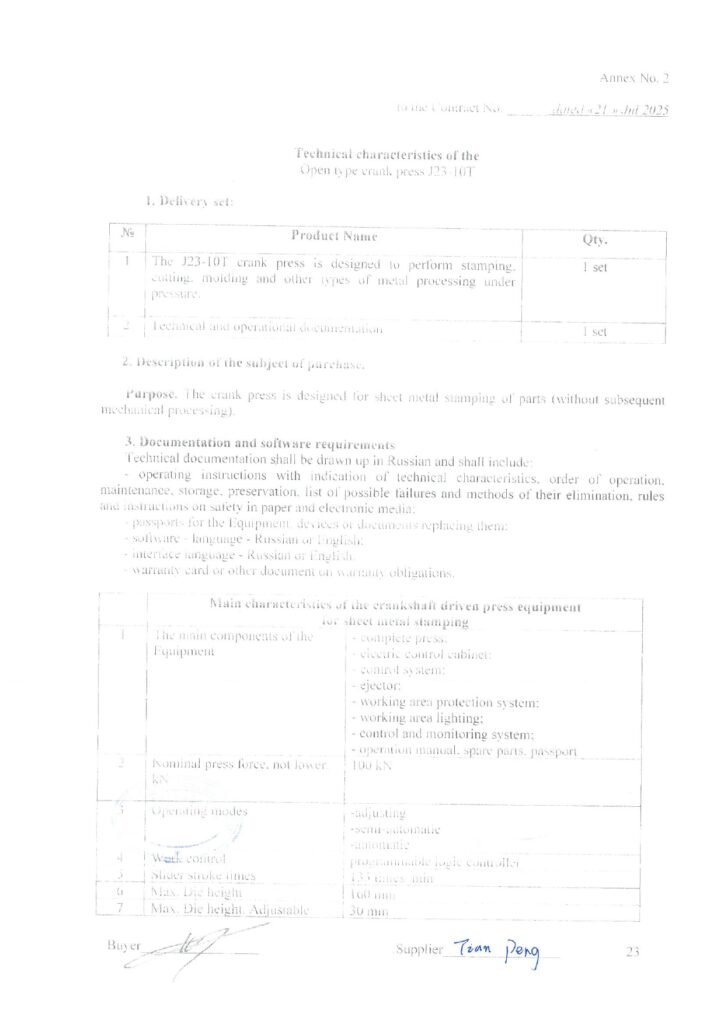
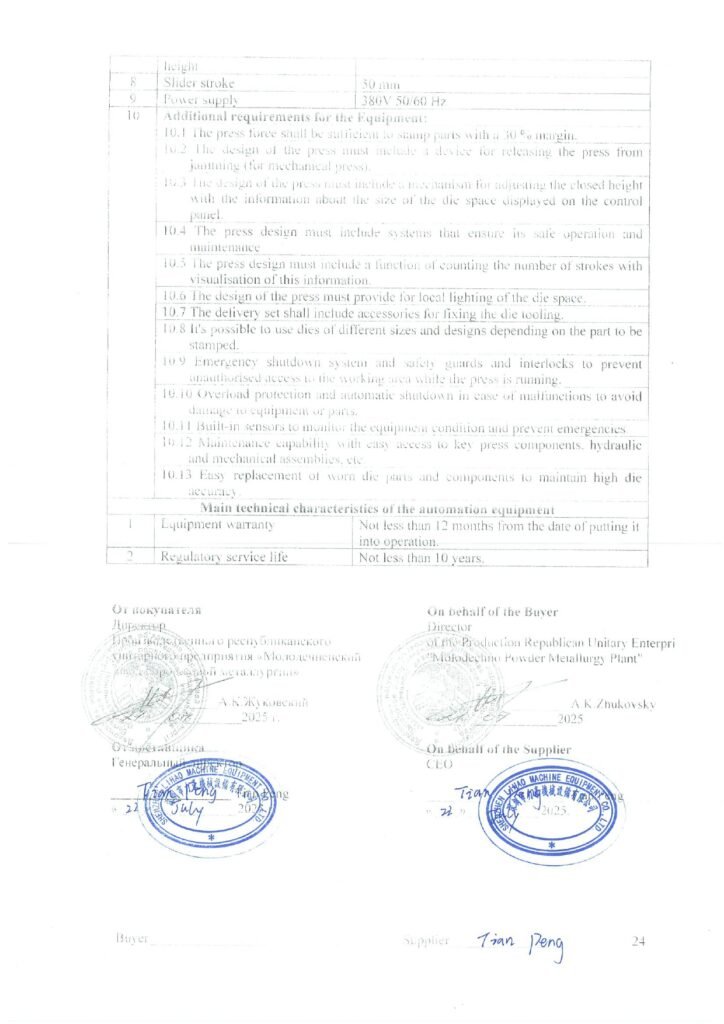
Document 1 — Contract for the Supply of a J23-10T


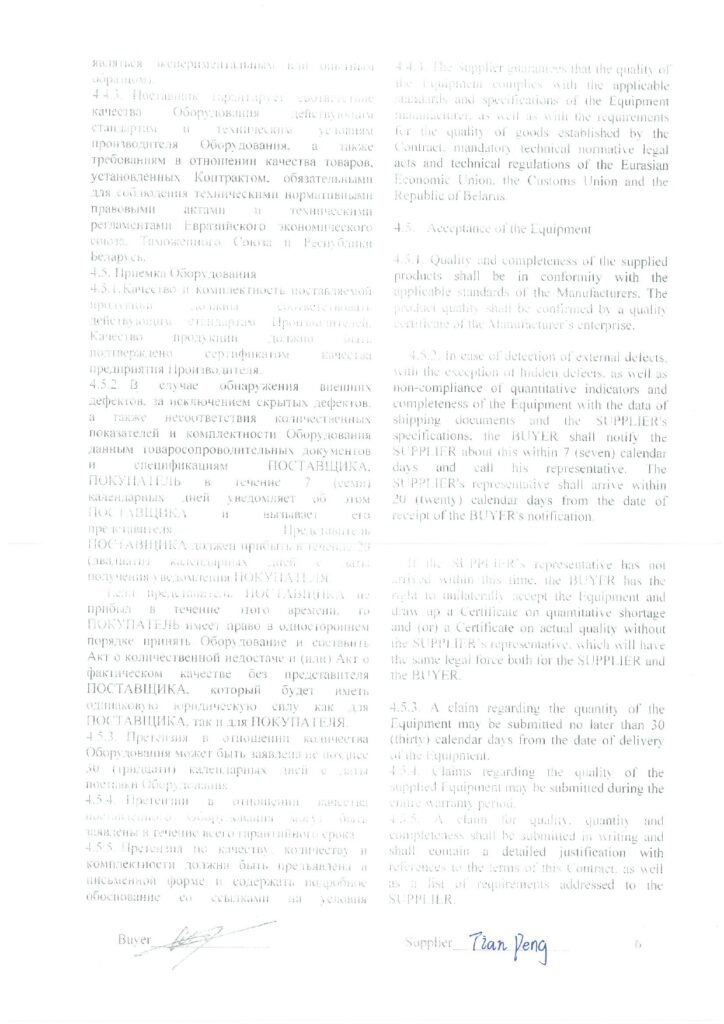
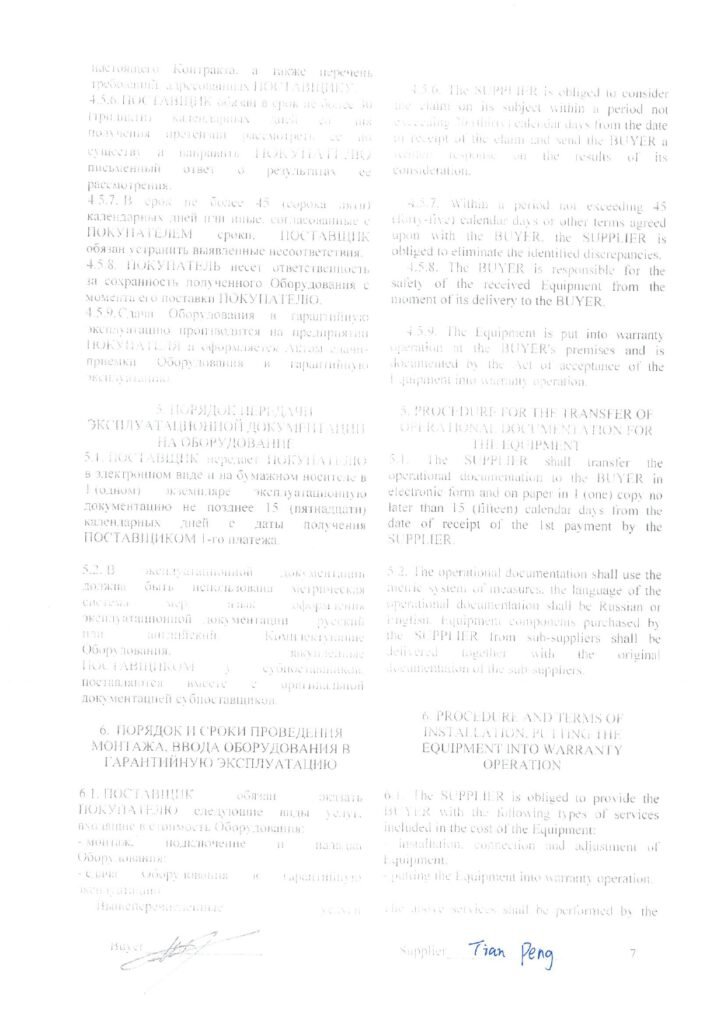
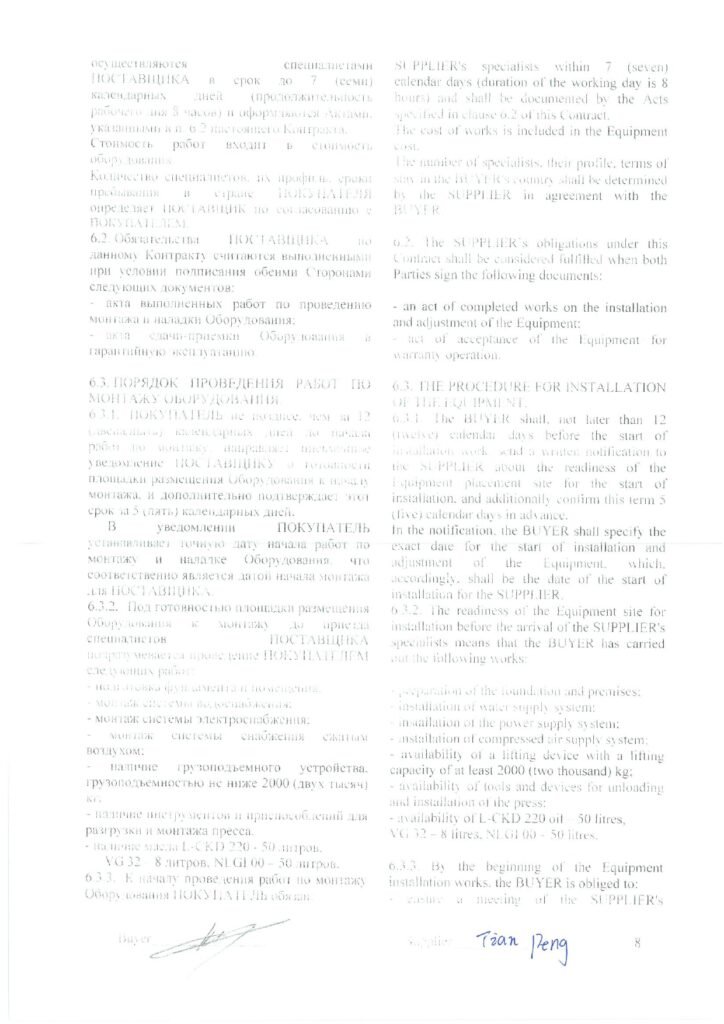
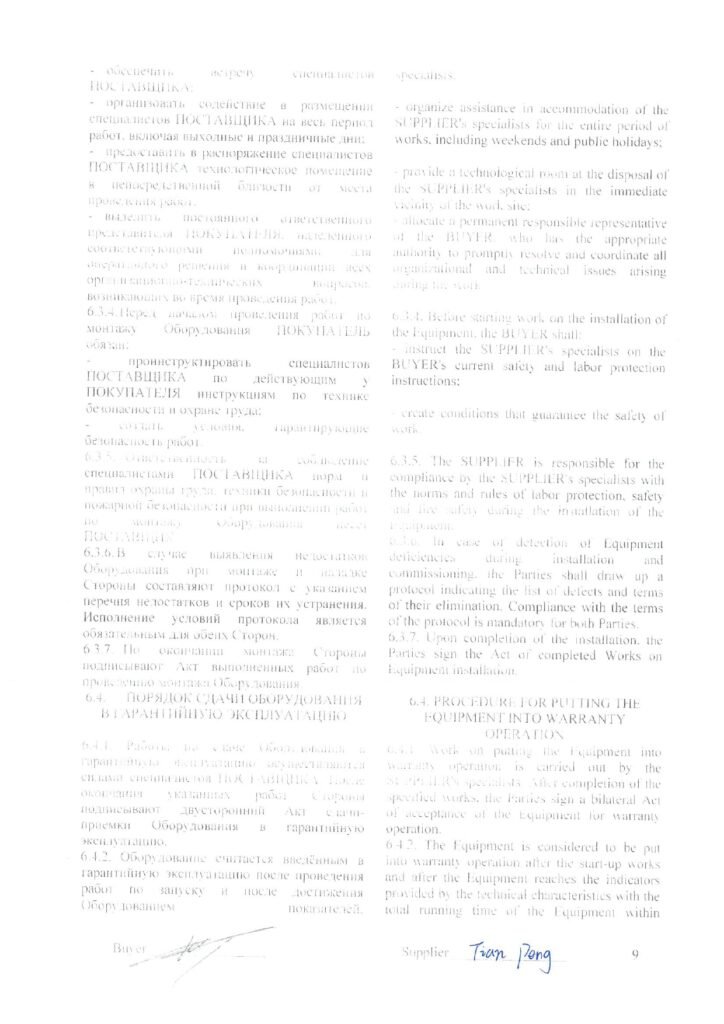





Document 2 — Contract No. 11/02/25
Bilingual supply contract between Zhejiang Noah Fluorochemical Co., Ltd. and Energotrast LLC, including the specification for 200 kg of Noah (PFN) coolant and the proforma invoice.


Document 2 — Integral Customs Letter No. 62/196
Letter dated 10 March 2025 in which Integral explains that Noah CS115 was intended for plasma-chemical etching equipment and for commissioning three new units.