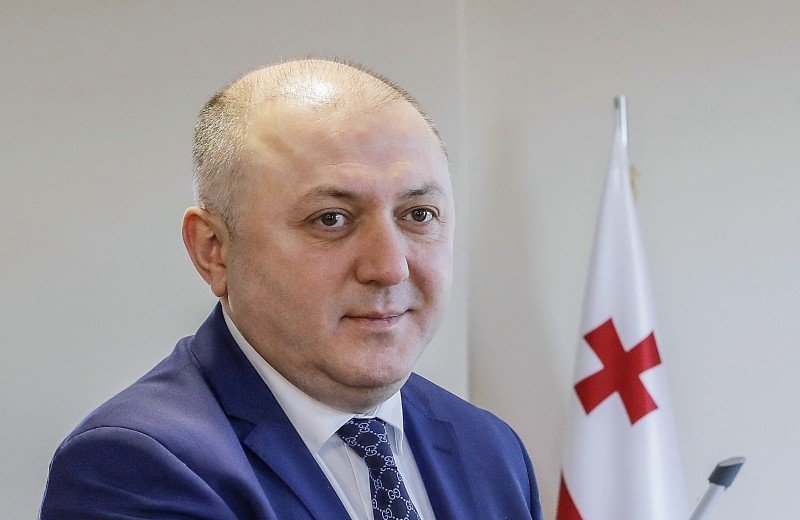

A court in Tbilisi has sentenced Andria Liluashvili, a close relative of Georgia’s former state security chief, to 12 years in prison over his alleged role in protecting fraudulent call centers and laundering their proceeds.
The verdict was delivered on Thursday following proceedings that were closed to the public. According to Georgia’s Prosecutor’s Office, Tbilisi City Court convicted Liluashvili of bribery, facilitating the acceptance of bribes and large-scale money laundering.
Prosecutors described him as a central intermediary between a criminal call center network and senior figures within Georgia’s security establishment.
Prosecutors Allege a System of Paid Protection
The prosecution said Liluashvili helped secure official protection for the call centers through his relative, Grigol Liluashvili, who was then serving as head of the State Security Service.
According to the case presented in court, Grigol Liluashvili allegedly received regular payments between 2021 and 2022 in exchange for preventing law enforcement interference with the network’s activities. Prosecutors said the payments, totaling $1.365 million, were transferred through Andria Liluashvili.
The allegations place the case within a wider corruption scandal involving fraudulent call centers and individuals linked to the upper levels of Georgia’s security institutions.
Property, Vehicles and Luxury Assets Confiscated
The court also ordered the confiscation of assets that prosecutors said had been acquired with criminal proceeds.
The seized property reportedly included:
- 70 real estate assets valued at approximately 35 million Georgian lari, or about $13 million;
- 17 vehicles;
- 125 luxury objects, including artwork and expensive jewelry;
- multiple bank accounts in Georgia and abroad.
Investigators alleged that Liluashvili moved money generated by the call centers through different bank accounts, invested it in associated businesses and purchased property in several countries to disguise its origin.
Closed Proceedings Draw Criticism
The secrecy surrounding the trial prompted strong objections from the defense.
At the prosecution’s request, the hearings were held behind closed doors. Defense lawyers were also required to sign non-disclosure agreements and were warned that revealing details from the proceedings could result in criminal liability and a prison sentence of up to one year.
Lana Tsertsvadze, Liluashvili’s attorney, rejected the court’s conclusions and said the prosecution had not produced evidence proving that bribes or political protection had been provided.
She argued that the allegation of regular monthly payments relied primarily on statements contained in the charges rather than independently corroborated evidence.
Tsertsvadze also accused the authorities of using the closed proceedings to prevent public examination of weaknesses in the prosecution’s case.
Part of a Wider Call Center Investigation
Andria Liluashvili was arrested in October 2025 together with several other suspects as part of an investigation into transnational call center fraud.
In December 2025, Grigol Liluashvili was also detained on bribery allegations connected to several criminal cases.
The conviction represents one of the most significant outcomes so far in Georgia’s campaign against fraudulent call center operations. At the same time, the secrecy of the proceedings and the defense’s rejection of the evidence are likely to keep the case under scrutiny.