
A country earns money from oil. A parent still struggles to pay for a child’s education. A patient still needs money for treatment. A young graduate still searches for an opportunity.
Between national revenue and the family kitchen stands a question that deserves a public answer:
Where does the money stop?
South Sudan’s financial crisis is often discussed through budgets, contracts and political speeches. But the real test of public spending is much closer to home.
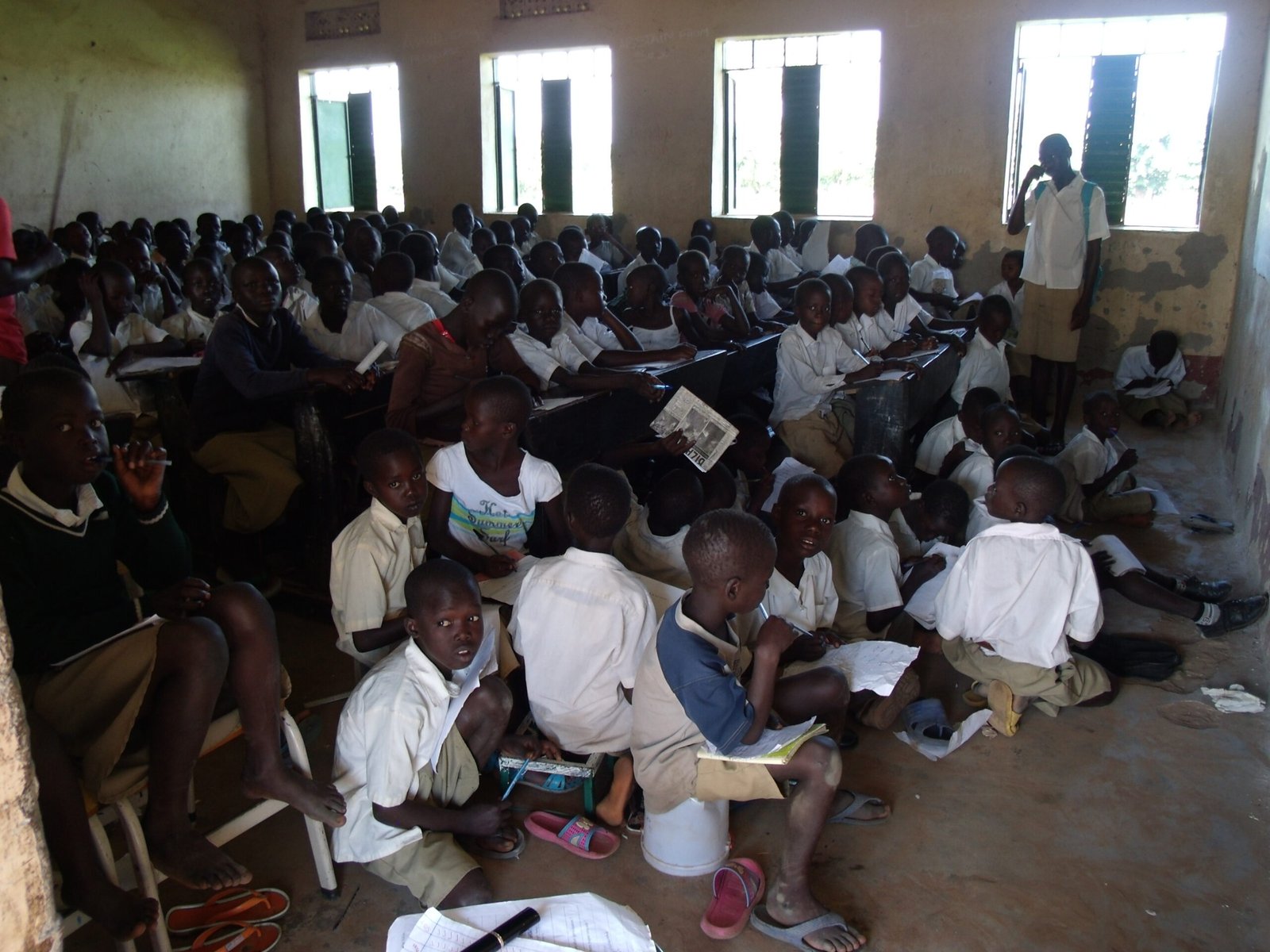
Does the school have teachers?
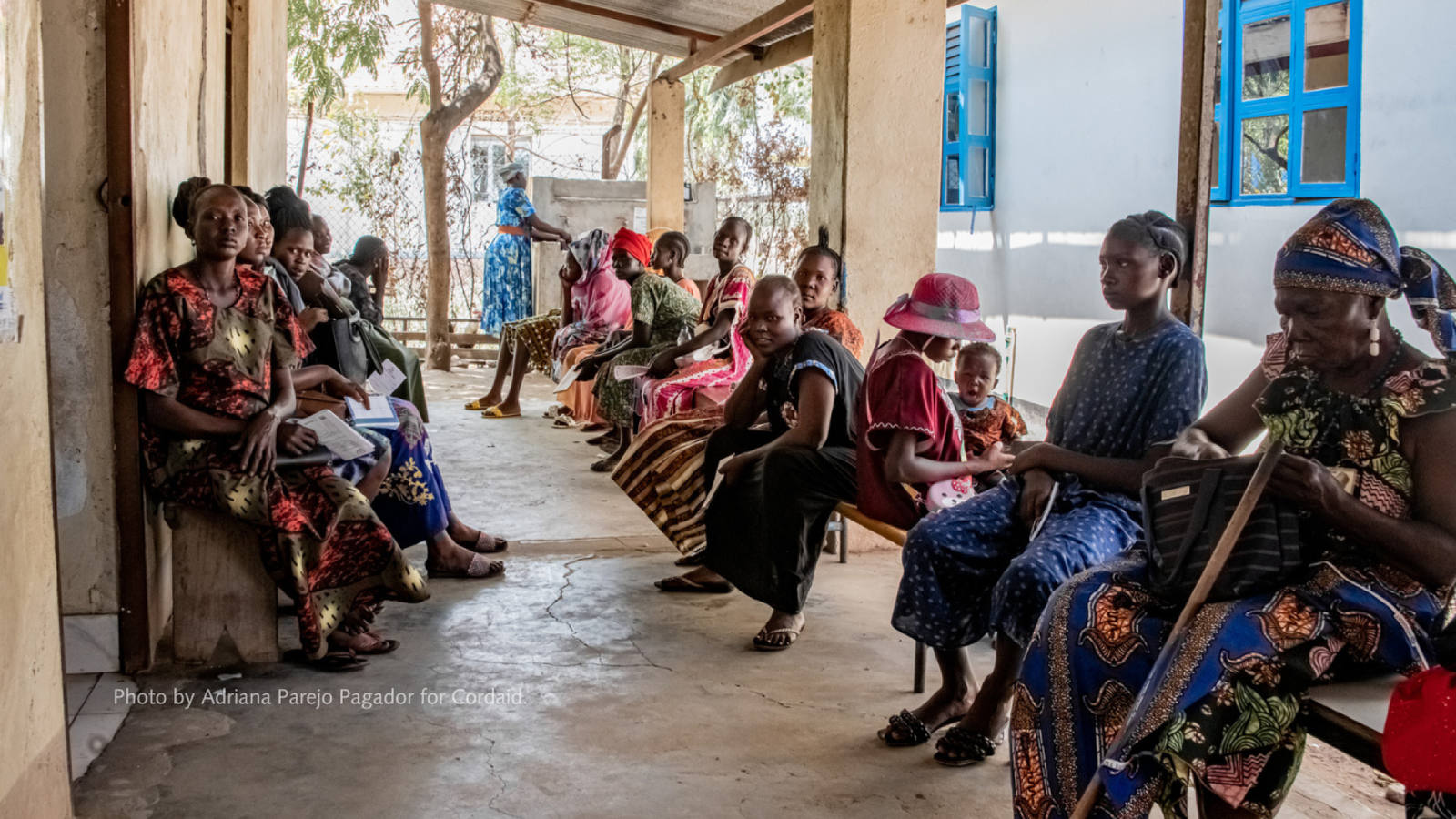
Does the clinic have medicine?
Has the public employee been paid?
Can a farmer reach the market?
A budget allocation is a promise. It is not proof that a service reached the people.
Follow the money—all the way to the community
To understand what went wrong, an investigation must trace the whole chain:
What revenue entered government accounts? Who authorised the spending? Which company received the contract? What work was delivered? Who checked it?
A signed contract cannot prove that a road exists. A payment cannot prove that medicine reached a clinic. A photograph from an opening ceremony cannot prove that a school is functioning.
The decisive evidence is the service people can actually use.
The second bill falls on the family
When public services fail, the cost does not disappear.
Parents must find another way to educate their children. Patients must seek treatment elsewhere. Workers must borrow to survive. Businesses must absorb the cost of unreliable infrastructure.
Families end up paying privately for needs that public money was supposed to address.
That is why financial secrecy reaches far beyond government offices. It can determine what a household eats, whether a child stays in school and whether an illness receives treatment.
Failure is not automatically proof of theft
Conflict, economic shocks and weak institutions can also disrupt services. An honest investigation must distinguish those causes from diversion, inflated contracts and payments for unfinished work.
But that distinction requires access to records.
Citizens deserve published contracts, clear payment records, independent audits and explanations when promised work remains incomplete.
Project Truth International: questions that need documents
This series will examine the gap between public promises and everyday reality—and ask what evidence explains it.
The first question is simple:
Which publicly funded project in your community was promised—and what was actually delivered?
Tell us the location, the project and what can be checked. Please avoid posting private information or naming individuals without evidence.
Share this with someone from another county. Compare the promises. Compare the results.
Next: Paid for, but not finished—how to trace a public contract.